ONE ORDINARY TUESDAY
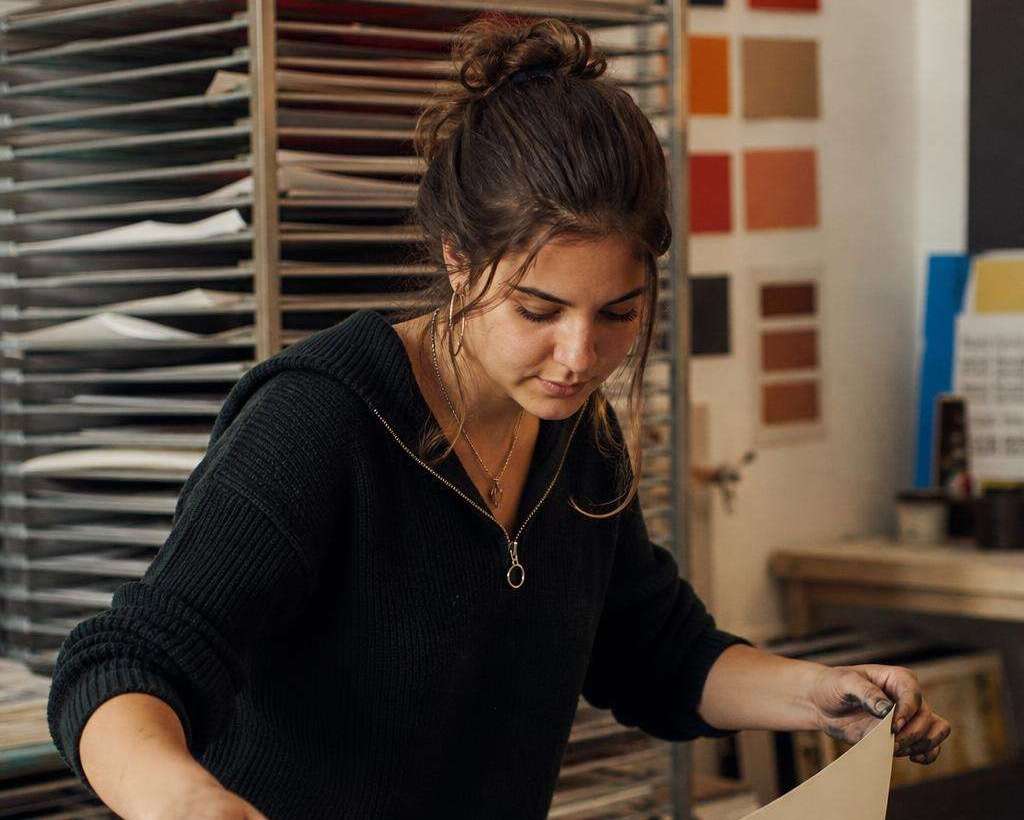
Seven in the morning, and the kilns are already warm. Break, and the courtyard is louder than any lesson. Four o’clock. Timetabled lessons end. Nothing else does. Nine at night, and someone is still in the print room.
ONE ORDINARY TUESDAY
Seven in the morning, and the kilns are already warm. Break, and the courtyard is louder than any lesson. Four o’clock. Timetabled lessons end. Nothing else does. Nine at night, and someone is still in the print room.
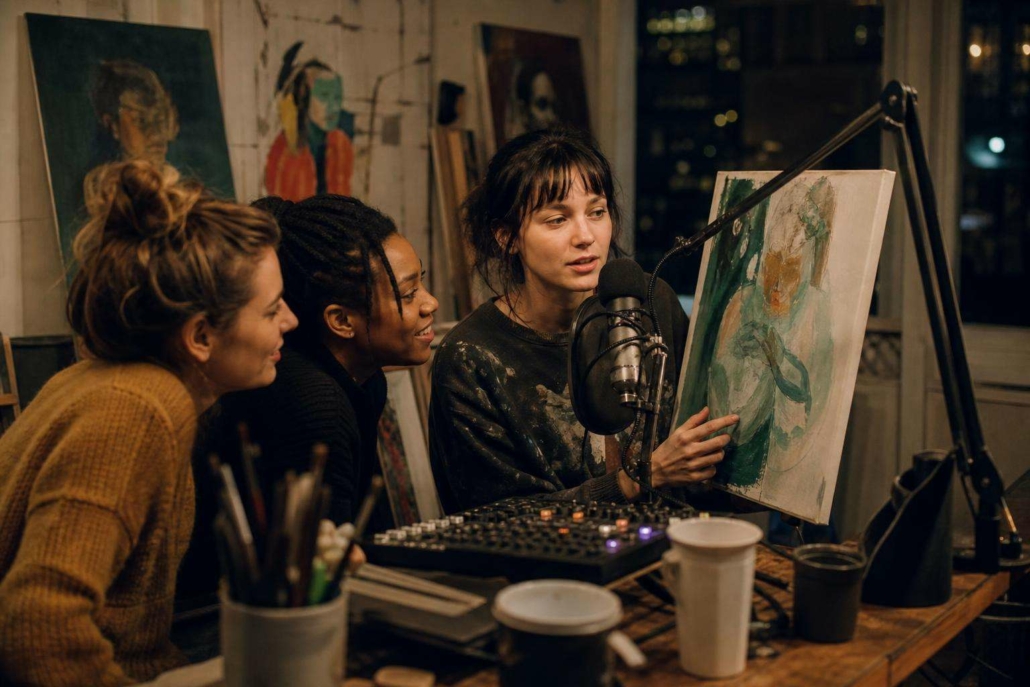
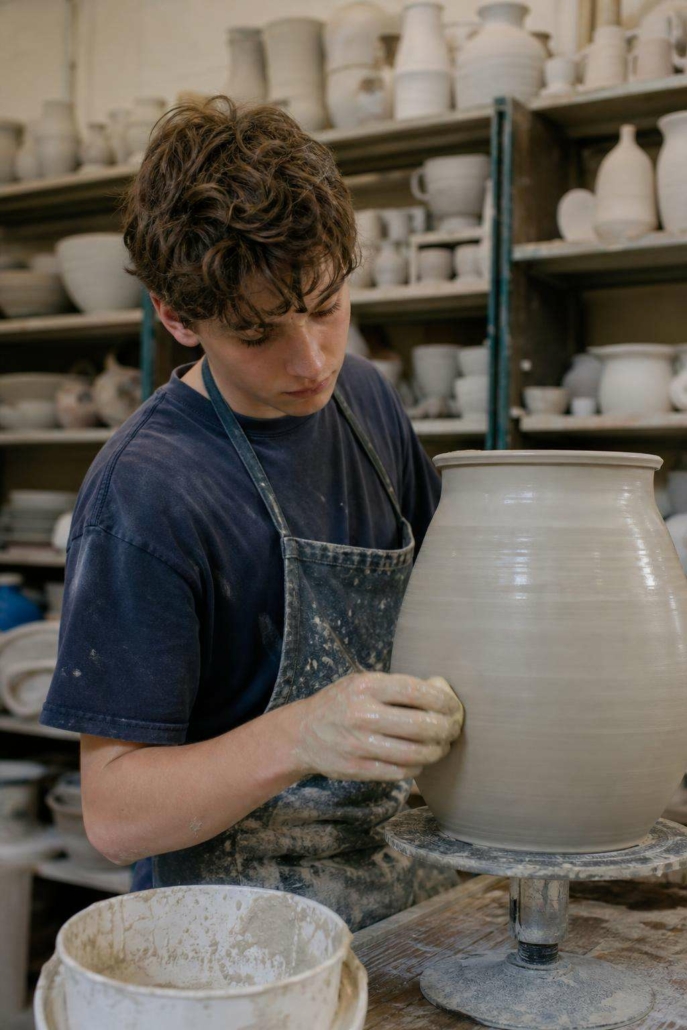
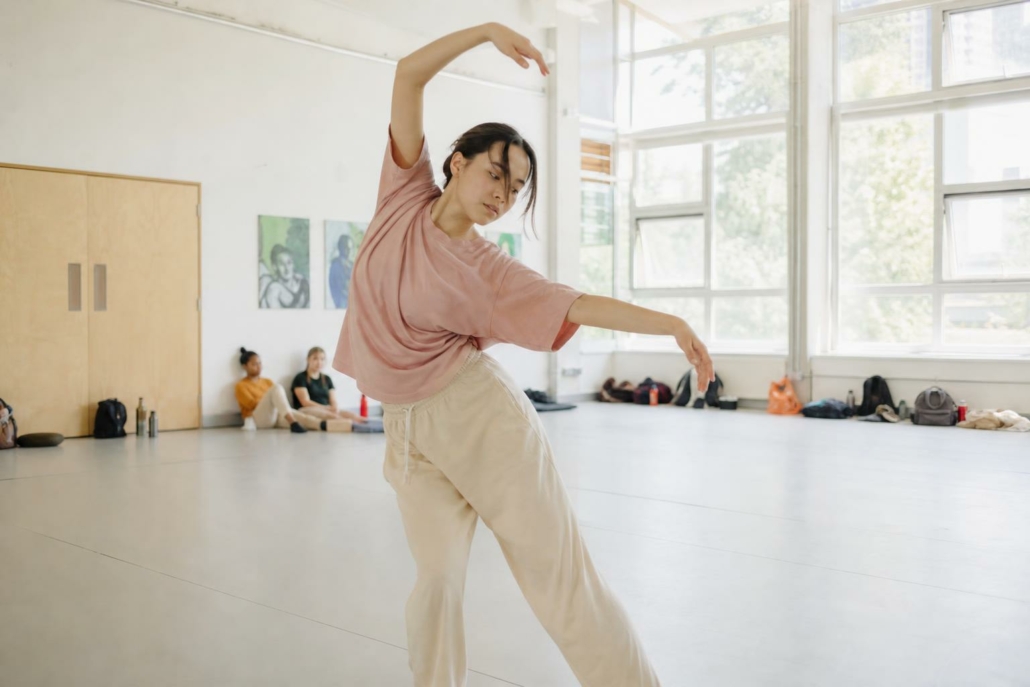
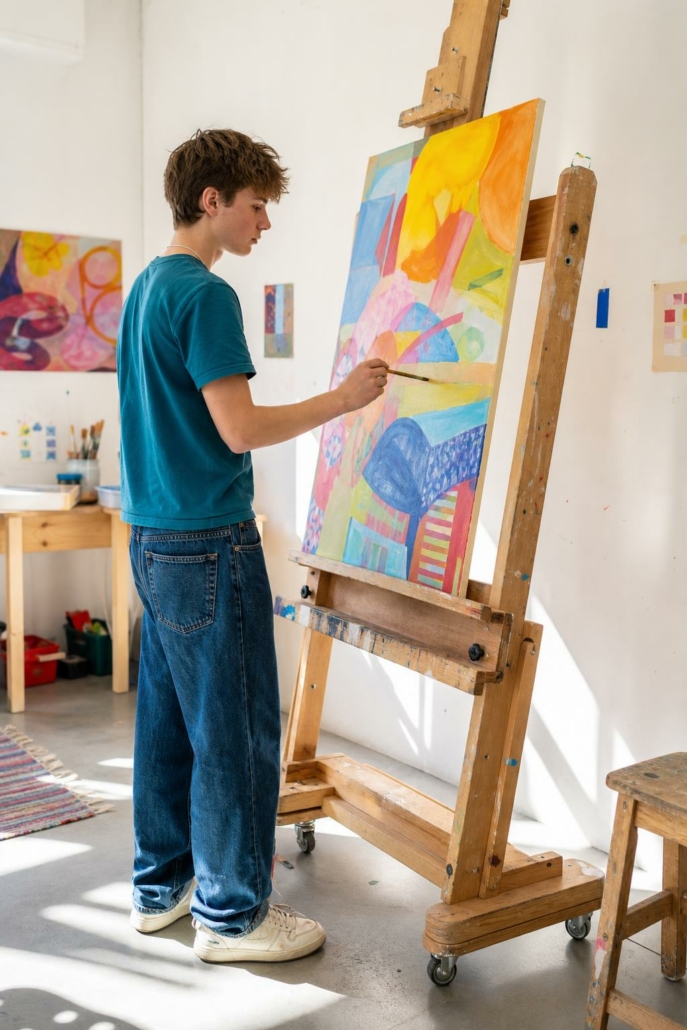
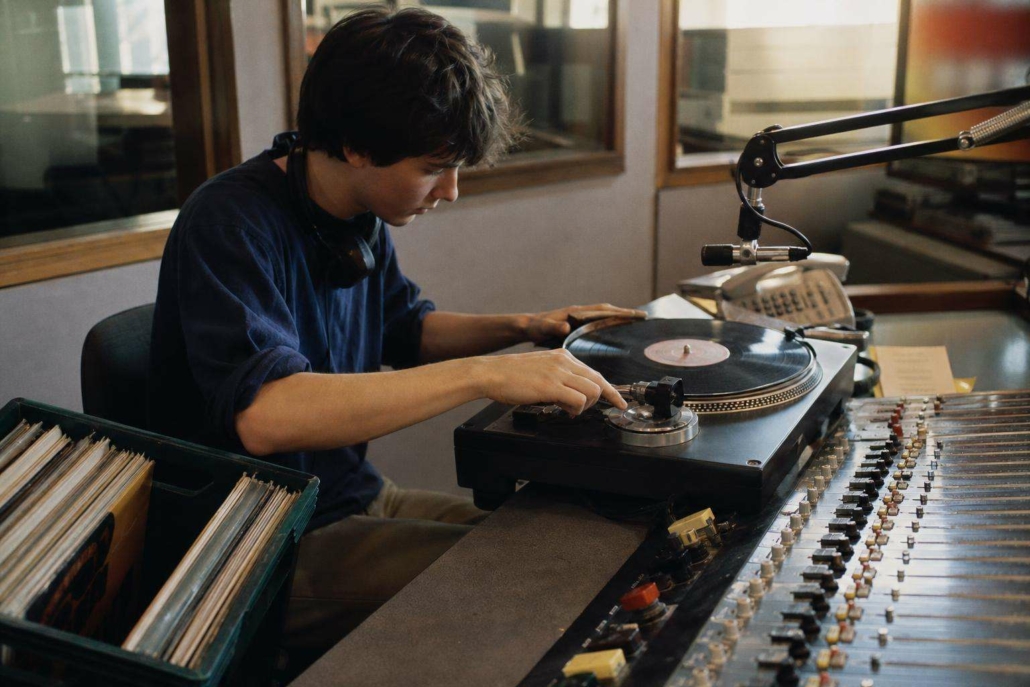
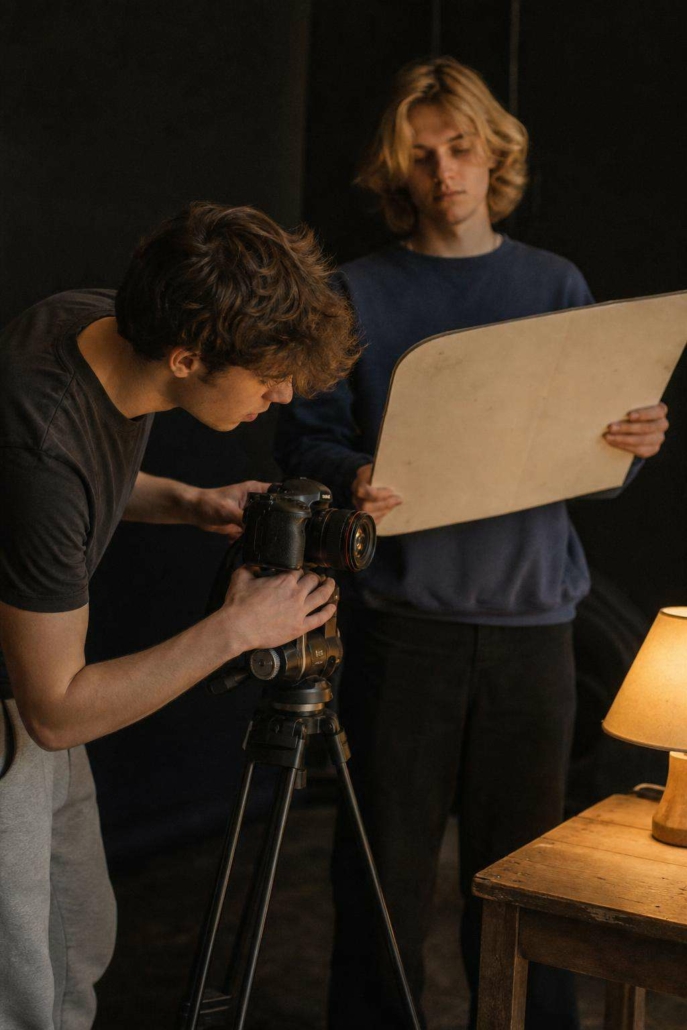
Five hours that are the same every day of term, photographed in the rooms they happen in. From the first kiln at seven to the last lit room at nine.
Ceramics is the first room open. When the wood kiln is firing it has been running since the night before, on a two-day shift.
Until four the day looks like any school’s. It is the hours either side of that which are different.
Lunch runs ninety minutes and the studios never close for it. Most people eat and walk back to whatever they left on the easel.
Studios stay open to anyone until ten, staffed by a technician rather than a teacher. A third of the school is still here at eight.
One technician moves between the eleven rooms rather than sitting in one of them: supervision without anyone standing over you.
A WEEK
Studio time, by design, not a gap between things. Clubs and societies run on the other evenings. Boarding students are two minutes from a studio at any hour the building is open, which in practice means the distinction between boarding and day matters less here than it does most places.
A TERM
An open crit: every studio shows what it made, to the whole school. There is a degree show for leavers in the summer term and an open studios evening every December that the town, not just parents, actually attends. Ordinary weeks and these ones look different from the outside; from the inside the standard is the same.
THE MIDDLE OF THE DAY
The dining hall opens onto the same courtyard the studios open onto, so the queue for lunch and the queue for the kiln are the same queue at different times of day. There is no bell system and no sitting; food is served until the hall empties, which most days is closer to two o’clock than to one.
Boarding houses cook their own breakfast and supper; lunch is the one meal the whole school genuinely shares, staff included. It is the closest thing the building has to an assembly.
Every club here was started by students, not scheduled by the school. Flip a card to see what it actually involves.
A seventh starts the moment two students want one. The only house rule is that it meets weekly and that anyone can walk in.
Roughly half the school boards. The other half goes home at the same time the studios would otherwise be closing, which is late enough that the difference stops mattering much.
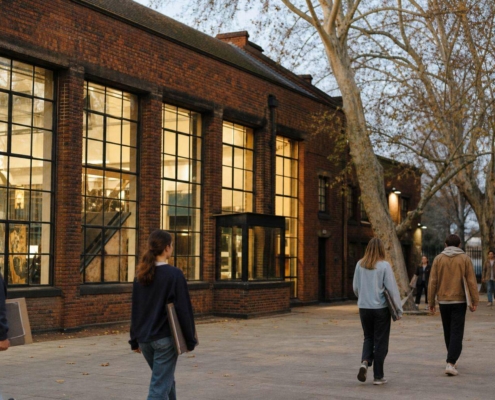
Every house sits inside the same two-minute walk of the building as the day entrance. There is no boarding house that is a bus ride from where the making happens.
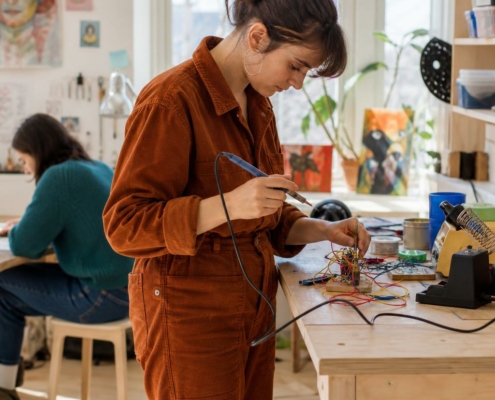
The studios do not close on Saturday. Roughly a third of boarders are in a studio by ten most Saturday mornings, unprompted.
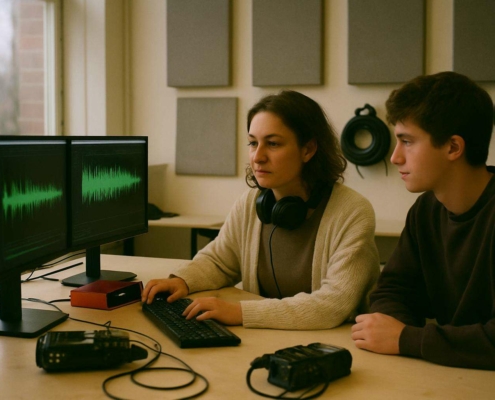
Each house is run by a member of teaching staff who lives there. Pastoral care and academic staff are, deliberately, often the same people.
Every second Tuesday through the autumn term. Come at four and stay past six: the building is more itself later in the day.