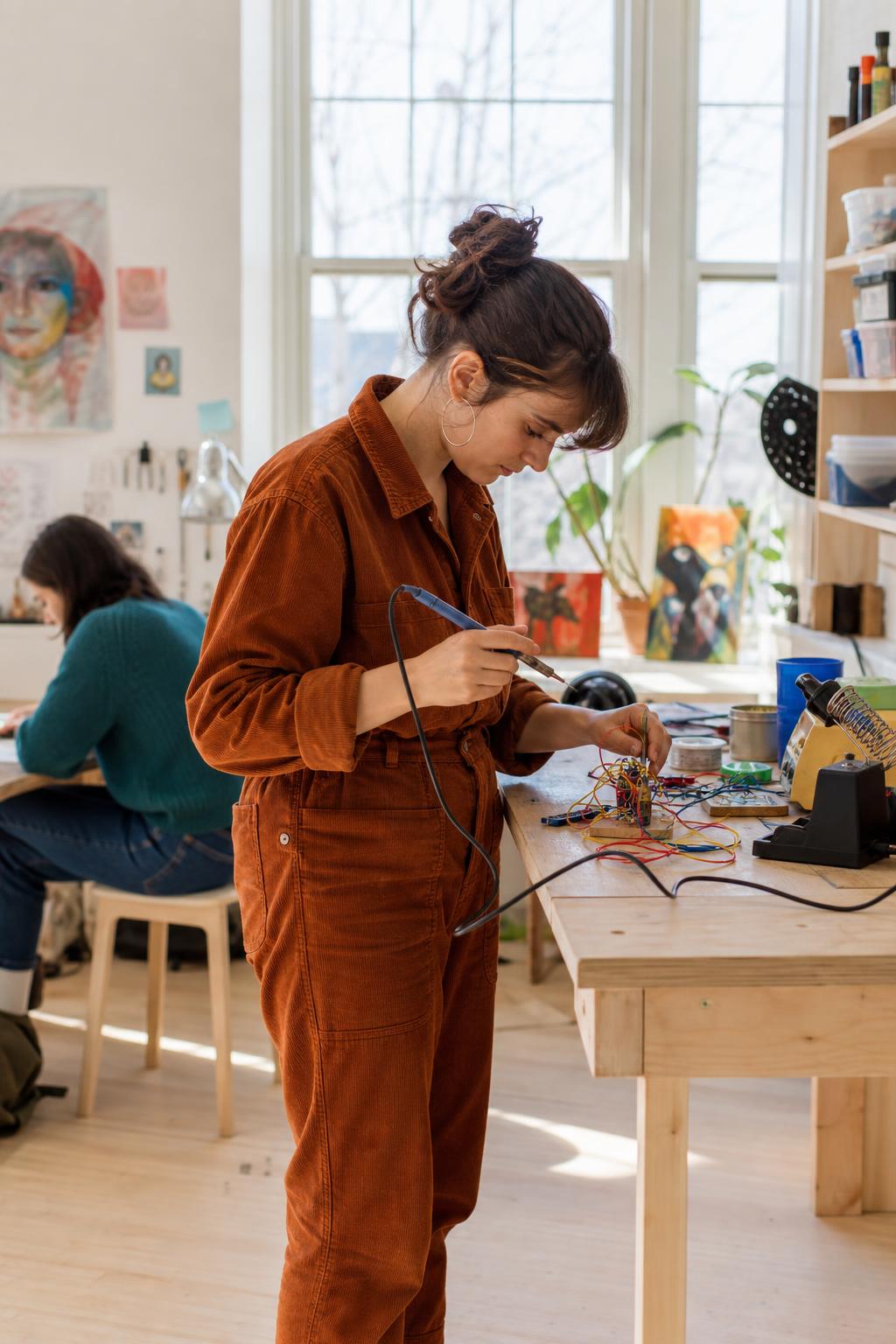
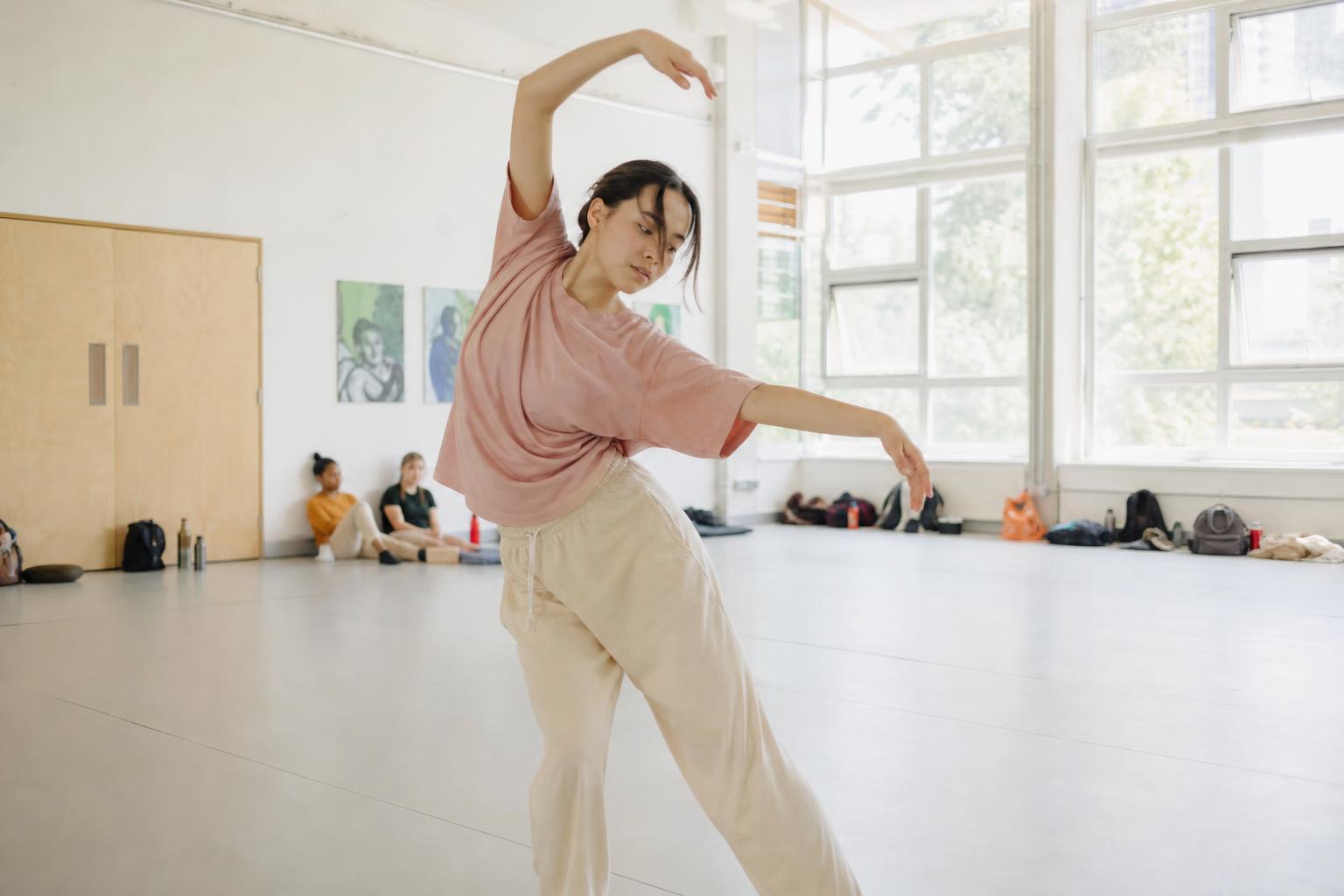
Every studio brought its term to the main hall on Friday and stood beside it. Eleven rooms of work in one, from first-year drawings to Portfolio Year pieces, and the whole school walking between them for an afternoon and most of an evening.

The open crit happens at the end of every term. The rule is the same as the weekly critique each studio holds on a Wednesday, only bigger: you stand next to what you made and account for it, in front of everyone who did not make it. Nothing is marked. The hall was still full at seven.

How an open crit works

  1. On Thursday evening every studio clears a patch of the main hall floor and a length of wall.
  2. On Friday morning the work goes up, studio by studio, with no labels beyond a name and a year group.
  3. At two the doors open to the whole school. Lessons stop for the afternoon.
  4. Every maker stays within reach of their work until five, and anyone can ask them anything.
  5. At five staff and parents arrive, and the conversations start again from the beginning.

The Head of School at a table with two students and their work
Adam Holloway, Head of School, with two students before the doors opened.

Getting the hall ready

The main hall is a working room for the rest of the term, full of long tables, half-finished sculpture and other people’s coffee. Turning it into a place where eleven studios can show a term’s work takes most of Thursday evening. Tables go against the walls, the sculpture moves to the edges, and each studio chalks out its patch of floor.

There is always an argument about the light. The painting studio wants the north end by the windows; the moving image students want the opposite, and a corner they can black out. This year the print room lent the stages a set of screens, which is exactly the kind of thing the afternoon is for.

What people said

The questions at an open crit are rarely the ones a teacher would ask. A first-year asked a Portfolio Year student why her print was so big. A sixth-former asked the Head whether he ever made anything any more. A group of eleven-year-olds spent twenty minutes in front of a single ceramic bowl, and when they finally left, the student who had made it said it was the best feedback she had had all year.

You spend a term with a piece of work and only the people in your studio see it. Then for one afternoon, three hundred people do, and half of them are younger than you and not at all polite about it. It is the most useful day of the term.

A Portfolio Year student, in the evening

Why nothing is marked

Every term someone new to the school asks why the most public moment in the calendar carries no grade. The answer is that a mark ends a conversation, and the point of the afternoon is to start one. Students who show something unfinished are not penalised for it; they are usually the ones who get the most out of the day.

The crit is also how the studios find out about each other. The print room sees what the stages have been doing. The sound students discover that the ceramicists have been recording their kiln. Several collaborations that ended up in last year’s degree show began with a conversation on this floor.

A mark ends a conversation. The point of the afternoon is to start one.

From the school’s own guide to the open crit

The next one

The summer term closes with its own open crit in July, the week after the degree show comes down. In December the building stays open for an evening for the town, not just for parents, and a good deal of what hangs in the hall on Friday will still be in progress then.
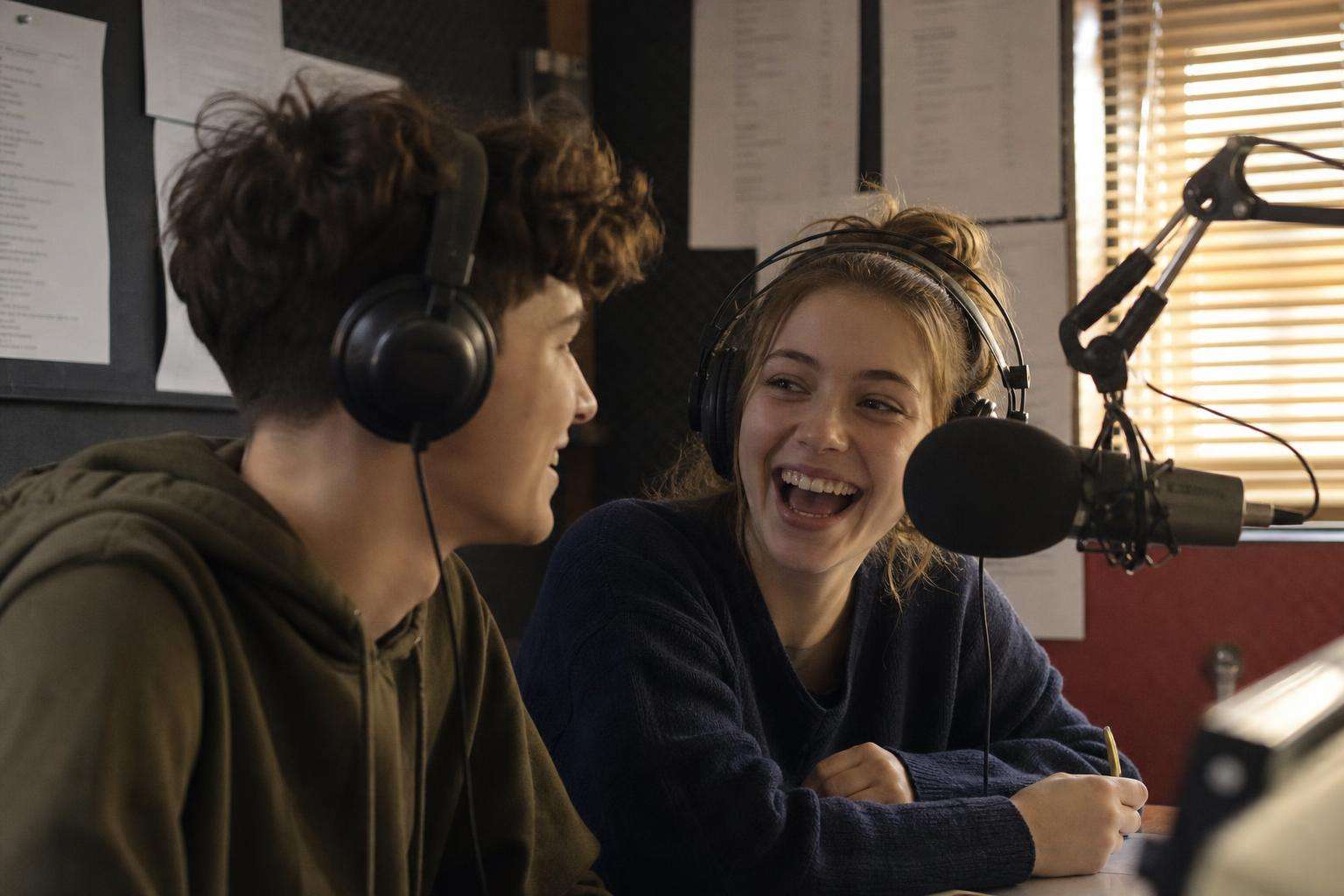

The student radio station has broadcast from the sound studio every term since 1991, and it has been run entirely by students the whole time. This week Sound System marks thirty-five years on air with a forty-eight hour broadcast, from six on Friday evening to six on Sunday.

Every presenter who has ever had a show was invited back for an hour. Two hundred and eleven said yes, which is more hours than there are, so the rota is being settled the way it always has been: on the whiteboard by the studio door, in marker, with a great deal of crossing out.

Two students in headphones laughing at a microphone in the radio booth
Morning Shift, the station’s oldest running show, on a Monday at half past seven.

How a student station lasts thirty-five years

It is not a club with a teacher behind it. There is no staff producer and no approved playlist, and the school has never once asked to hear a show before it goes out. What keeps it going is a short set of rules, written in 1991 and taped inside the booth door, which every new presenter reads before their first show.

  • Anyone in the school can have a show. There is no audition.
  • Nobody is on air for more than an hour at a time.
  • If you say you will be there, be there. Dead air is the only thing the station does not forgive.
  • The station belongs to whoever is running it this year.

Ines Moreau, who looks after the sound studio, keeps the equipment working and the whiteboard wiped. Everything else, from the schedule to the jingles to the arguments about the jingles, belongs to the students.

Thirty-five years, in five moments

  1. 1991. The first broadcast goes out from a storeroom next to the music department, on a transmitter that reaches the end of the corridor.
  2. 1998. The station moves into the sound studio, and gets a door with a lock — still the only one on that floor.
  3. 2004. Long Player starts: one album, start to finish, no talking over the songs. It has never missed a weekend.
  4. 2012. The Crit moves from the studios onto the air, and becomes the station’s most listened-to show.
  5. 2026. Thirty-five years, forty-eight hours, and a whiteboard with no space left on it.

The schedule this weekend

ShowNormallyThis weekend
Morning Shift7:30 – 8:15am, Monday to FridaySaturday and Sunday, 7:30am, with former presenters
The Crit8:15 – 9pm, Tuesday and ThursdayFriday, 8pm, live from the main hall
Long Player3 – 4pm, Saturday and SundayBoth days as usual, one album each, start to finish
Alumni hoursNot normally on airEvery hour on the hour, Friday 6pm to Sunday 6pm
Forty-eight hours, one studio, two hundred and eleven presenters.
Three students at a microphone discussing a painting
The Crit: a student brings in a piece of work, and three others talk about it on air.

The only timetable in the school set by seventeen-year-olds.

Sound System, describing itself

Tuning in

In the building, the station plays in the dining hall, the corridors of the digital studio and, famously, the lift. Outside it, the whole forty-eight hours streams from the school site, and former presenters have been told it will be recorded, which some of them regard as a threat.

If you have ever had a show and have not yet been in touch, there is still a waiting list. It is on the whiteboard.

I had a show years ago. Can I still get a slot?

Possibly. The whiteboard is full, but presenters do drop out, and the students running the weekend are keeping a list. Email the school and ask for Sound System.

Can current students still join the station?

Yes, and they do every term. Put your name on the board. The newest presenters usually start with a Saturday afternoon.